
For seven weeks this past summer, Vicky Ossio didn’t know if any of the 1,200 rescued animals in her care would survive.
Ossio is the co-founder of Senda Verde, a Bolivian wildlife sanctuary two-and-a-half hours from the capital city of La Paz. Senda Verde lies in one of the areas that was severely affected by anti-government road blockades, which cut off the flow of fuel and food in the country this summer. Each week, she needs to source nearly 500 pounds of meat to feed all the Andean bears, jaguars, and many wild cats in her care. “I would wake up and the only thing I did during the whole day is try to find food,” says Ossio.
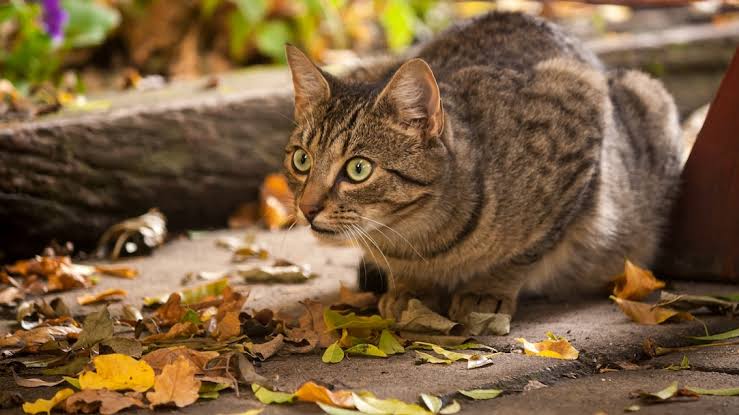
Miraculously, Senda Verde survived the blockades by buying in-season fruit from their neighbors and relying on a flock of 60 egg-laying chickens. But the experience was still fresh in Ossio’s mind when the news broke last month: Scientists had confirmed that one of the wild cats in the sanctuary was, in fact, a newly discovered species, now known as the tilcayo. Native to Bolivia, genetics revealed that the small, spotted feline had diverged from other members of the tiger cat species complex around 1.4 million years ago.
To say Ossio was unprepared for the tidal wave of media coverage the discovery would generate would be an understatement. Reporters from around the world had her phone ringing every ten minutes, even while she was traveling through remote parts of the country. Soon after, Ossio was informed that more than $150,000 had been donated to the sanctuary through a crypto campaign. “You have no idea the peace of mind that granted us,” Ossio says. The money should ensure the sanctuary can afford food for its inhabitants no matter what other unforeseen events lie down the road.
“Getting funding for small cats is so hard,” says Paola Nogales-Ascarrunz, a Bolivian biologist and co-lead author of the study that described the tilcayo. “But now, somehow, we broke the internet with a small cat.” About a month since the discovery was announced, the extreme attention has led to an optimistic outlook for studying and protecting the new cat species—and a few weird consequences of sudden viral fame.
After the news broke, Nogales-Ascarrunz, who is also a National Geographic Explorer, conducted hours and hours of interviews, then watched in awe as tilcayo stories took over her Facebook, Instagram, TikTok, and even LinkedIn feeds. Friends in Germany, Poland, and India all reached out to congratulate her. “I’m so tired of seeing my face,” she laughs.
Except, it wasn’t always Nogales-Ascarrunz’s face. In numerous AI-generated stories about the tilcayo, the Bolivian researcher says her images were rendered with more Caucasian features. “They made me white with blonde hair,” she says. In other AI-generated posts, the only scientists shown were fictional men.
Publication : National Geographic
Author : Jason Bittel
"We built AmplePoints to give campaigns and agencies a better way to connect with voters—one that's engaging, rewarding, measurable, and compliant," said Tony Singh, CEO and Founder of AmplePoints. "Our Agency Partner Platform helps campaigns maximize every outreach dollar while giving customers a reason to participate."